
Respiratory Sleep Assessment: What to Expect | London
A respiratory sleep assessment for adults starts with a consultation about your sleep, breathing and daytime symptoms. If a breathing-related sleep disorder is suspected, an overnight sleep study may follow, often at home.
The clinician then reviews the recording with your medical history and explains whether you need treatment, further tests or assessment for another cause of poor sleep.
You do not automatically need to stay in hospital. The assessment is the whole process, from understanding your symptoms to agreeing a plan; the sleep study is one part of it.
Why might you need a respiratory sleep assessment?
The aim is to find out whether breathing problems during sleep are disrupting your rest or affecting your health. Symptoms that may prompt assessment include:
- Regular loud snoring, particularly with pauses in breathing noticed by someone else.
- Waking with choking or gasping episodes.
- Unrefreshing sleep, morning headaches or repeated night-time waking.
- Daytime sleepiness, unintended dozing or difficulty concentrating.
These symptoms can occur with obstructive sleep apnoea and daytime tiredness, but they can have other explanations. Snoring alone does not establish a diagnosis, and sleep apnoea does not affect only people who are overweight.
A respiratory assessment focuses on breathing during sleep. Persistent insomnia, unusual movements or overwhelming sleepiness may need a broader sleep medicine assessment as well.
What happens at the first appointment?
A detailed discussion of your sleep and health
The clinician will ask when the problem started, how often it happens and how it affects you. Expect questions about bedtime and waking times, shift work, naps, snoring, breathing pauses and how refreshed you feel in the morning.
They will also review medicines, alcohol, caffeine and relevant conditions such as nasal obstruction, heart or lung disease. Describe whether you feel exhausted, actually fall asleep unintentionally, or both. Fatigue and sleepiness overlap, but they are not identical symptoms.
If someone has witnessed your sleep, their observations can help. Bring them to the appointment if practical, or make a note of what they have noticed.
Sleep questionnaires
The Epworth Sleepiness Scale asks how likely you are to doze in eight everyday situations. The total ranges from 0 to 24, with higher scores indicating greater daytime sleepiness. A score above 10 can suggest excessive sleepiness, but it does not diagnose sleep apnoea.
The STOP-Bang questionnaire combines symptoms and risk factors to estimate the likelihood of obstructive sleep apnoea. It helps organise the assessment; it cannot replace a sleep study. A low Epworth score should not, by itself, prevent further assessment when other symptoms are concerning.
Examination and selection of the right test
Depending on your symptoms, assessment may include your weight, neck circumference, blood pressure, nose and upper airway, and a chest examination. Additional breathing tests or blood tests are considered when another condition may contribute. These are not automatically required for everyone.
Which sleep test might I have?
NICE guidance on investigating suspected sleep apnoea recommends home respiratory polygraphy as an initial test for suspected obstructive sleep apnoea/hypopnoea syndrome in adults. The most suitable investigation depends on your symptoms, other conditions and ability to use equipment at home.
| Test | What it measures and how it is used |
|---|---|
| Respiratory polygraphy | Records several breathing signals, usually airflow, breathing effort, oxygen levels and pulse. It is commonly used for home sleep testing. Standard respiratory polygraphy does not record brain waves, so it cannot map sleep stages like full polysomnography. |
| Overnight oximetry | A finger sensor records oxygen saturation and pulse overnight. It is simpler than polygraphy and may be used in selected circumstances, including when access to polygraphy is limited. Oxygen dips alone do not establish their cause, and a reassuring result may not exclude sleep apnoea. |
| Polysomnography or PSG | A more detailed sleep study that adds brain activity, eye movements and muscle activity to breathing measurements. It identifies sleep stages and arousals. It may help when initial tests do not explain symptoms or another sleep disorder is suspected. |
“Polygraphy” means recording several signals together. “Polysomnography” refers to a fuller recording of sleep itself. A polysomnography test often takes place in a sleep laboratory, although arrangements vary between services.
If the concern is inadequate breathing that allows carbon dioxide to build up, the clinician may arrange carbon dioxide monitoring or a blood gas test. A finger oximeter does not measure carbon dioxide.
What happens during a home sleep study?
A home respiratory polygraphy study commonly involves one overnight recording. The sleep team will explain the equipment and how long to wear it. The usual sequence is:
- Receive the equipment and instructions. You may collect a kit or receive it by delivery, depending on the service. Ask whom to contact if you have difficulty setting it up.
- Attach the sensors before bed. A typical kit includes a recorder, chest and abdominal belts, a small nasal airflow sensor and a finger oxygen probe. Some devices also record body position or snoring.
- Sleep wearing the equipment. Follow the supplied instructions and your agreed sleep schedule. If a sensor comes loose, reconnect it as instructed and note any difficulties.
- Return the equipment as arranged. The recording is checked for usable data and analysed before the clinician discusses the findings with you.
The NHS explanation of home respiratory polygraphy illustrates a typical set-up. Equipment differs between providers, so use the instructions supplied with your own test.
What happens during polysomnography in hospital?
You usually arrive in the evening. Staff attach sensors to areas including your scalp, face, chest and legs, alongside the breathing and oxygen monitors. You then sleep in a room at the sleep centre while staff monitor the recording and remain available to help.
Some studies include video to assess movements or behaviour during sleep; the team should explain this beforehand. Sensors are normally removed in the morning, unless further daytime testing is planned.
How should I prepare for a sleep study?
Follow your clinic’s instructions, particularly if you are having a more detailed hospital study. Useful preparations include:
- Bring a current medicine list. Continue prescribed medicines unless your clinical team tells you otherwise. Do not add a sleeping tablet just to get through the test.
- Discuss your usual sleep pattern. Tell the team if you work nights or normally sleep during the day so recording times can be planned appropriately.
- Check instructions about alcohol, caffeine and naps. These can affect the recording. Avoid deliberately staying awake the night before to make yourself sleep.
- Ask about nail varnish and false nails. These can interfere with a finger oxygen sensor and may need removing.
- Tell the team about skin sensitivity or practical difficulties. Mention adhesive allergies, problems using your hands, mobility needs or concerns about fitting sensors.
- For a hospital stay, check what to bring. This usually includes comfortable nightwear, toiletries and your regular medicines. Follow any instructions about clean hair and avoiding hair products.
A brief sleep diary can also help explain variable nights. Record approximate bedtimes, waking times, naps and symptoms if your clinician asks you to.
What will the sleep study results show?
The sleep analysis looks for interrupted or reduced breathing, associated oxygen changes and the quality of the recording. Where recorded, body position, sleep stages and movements can help explain the pattern.
Your report may include an apnoea-hypopnoea index, or AHI, which counts breathing pauses and partial reductions per hour of sleep. Some home tests use a respiratory event index based on monitoring time instead. Ask which measure your report uses, especially if you were awake for a substantial part of the recording.
Numbers are interpreted alongside symptoms, oxygen levels and other medical conditions. They help guide decisions but do not tell the whole story.
If obstructive sleep apnoea is confirmed, treatment may include CPAP, a suitable mandibular advancement device, or measures addressing weight, alcohol and sleeping position. CPAP supplies pressurised air through a mask to help keep the airway open. A mandibular advancement device is a mouthpiece that holds the lower jaw forwards during sleep. The appropriate choice depends on severity, symptoms and individual circumstances.
Ask when results will be available and who will explain them. Reporting times vary. If the agreed timeframe passes without contact, follow up with the clinic.
What if my home sleep test is normal?
A normal home test does not automatically explain away persistent symptoms. The clinician will consider whether the recording was technically adequate, whether the night was representative and whether a different sleep problem may be present.
NICE advises considering polysomnography when respiratory polygraphy is negative but symptoms continue. If oximetry alone is negative despite significant symptoms, a more detailed breathing or sleep study may be needed.
Sometimes the next step is assessment for another cause, such as insomnia, insufficient sleep, medication effects or a non-respiratory sleep disorder. A home breathing test does not investigate every reason for poor sleep.
Tell the clinic if sleepiness affects driving or work
Do not drive if excessive sleepiness affects, or is likely to affect, your driving. This applies while suspected sleep apnoea is being investigated. Tell the clinician about unintended dozing, near misses, professional driving or other safety-critical work.
Whether you must notify the DVLA depends on your diagnosis and circumstances. Ask your clinician how the DVLA rules on excessive sleepiness and sleep apnoea apply to you and when you can safely resume driving.
Private respiratory care · London & Surrey
Book an appointment
Dr John Chinegwundoh
Consultant Respiratory Physician
Arrange a private consultation at a location that works for you.
Book an appointmentOr call Dr John’s PA on 020 8949 9012
Frequently asked questions
What if I cannot sleep during a sleep study?
A less restful night does not automatically make the study unusable. You do not always need a full night of sleep for useful polysomnography results. Tell the team how much you think you slept. They will check whether enough suitable data were recorded and arrange repeat or alternative testing if necessary. Do not take extra sedating medicine without their advice.
Is a sleep study painful?
Standard respiratory polygraphy and polysomnography use sensors attached to the body; the recording itself is non-invasive. Belts, wires or a finger probe may feel unfamiliar, and adhesive can occasionally irritate the skin. Tell the team if anything hurts or you have an adhesive allergy.
How long does a sleep study take?
Many home breathing studies record one night, while some investigations require longer or repeat recordings. Hospital polysomnography commonly involves arriving in the evening and leaving the following morning. The consultation, equipment set-up and results review are separate parts of the assessment.
Can I get up to use the toilet during a sleep study?
Yes. At home, follow the instructions for moving with the equipment and reconnecting any sensors. In a sleep laboratory, alert the staff so they can help with wires or connections. You are not expected to remain motionless all night.
Is there an NHS insomnia test?
There is no single routine overnight test that diagnoses every case of insomnia. Assessment usually starts with your symptoms, sleep pattern, medicines and possible causes. A sleep diary may help. A sleep clinic investigation is more likely when another disorder, such as sleep apnoea, is suspected.
How much does a private sleep study cost in London?
The cost depends on the investigation and what the service includes. Ask for a written quote covering the consultation, test equipment, analysis, report and follow-up. Check whether any treatment equipment or later appointments cost extra. Confirm current fees with the practice before booking.
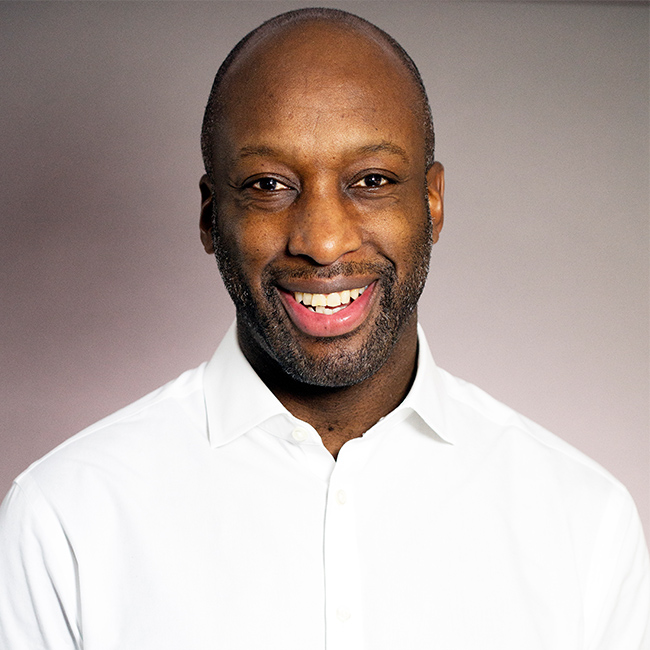
Consultant Respiratory Physician practising in London and Surrey, and Senior Physician in Respiratory Medicine at Kingston and Richmond NHS Foundation Trust.
He graduated from Cambridge and completed his doctorate at Columbia University, New York. He is a Fellow of the Royal College of Physicians and President of the Cambridge Medical Graduates’ Society.
MA MB BChir MD (Cantab) FRCP · GMC 4117379 · Book an appointment