Could Sleep Apnoea Explain Poor Sleep and Daytime Tiredness?
If you sleep seven or eight hours and still wake unrefreshed, obstructive sleep apnoea is an important possibility to consider. It can go unrecognised for years because the breathing disturbances happen while you are asleep, often without any memory of them.
Yes, sleep apnoea can explain poor sleep and daytime tiredness. However, several other conditions can cause similar symptoms. A clinical assessment helps identify the possible causes, and a sleep study is needed to confirm suspected sleep apnoea. Symptoms or smartwatch readings alone cannot establish the diagnosis.
What obstructive sleep apnoea actually is
Obstructive sleep apnoea (OSA) occurs when the upper airway repeatedly narrows or closes during sleep. As you fall asleep, the throat muscles relax. In some people, the airway narrows enough to vibrate, causing snoring. In others, airflow becomes substantially reduced or stops.
An apnoea is a pause or near-complete interruption in airflow lasting at least ten seconds. A hypopnoea is a partial reduction in airflow associated with a fall in oxygen levels or a brief arousal from sleep. These events can interrupt sleep repeatedly, even when you do not remember waking.
The apnoea-hypopnoea index (AHI) records the average number of these breathing events per hour. Commonly used adult severity categories are:
- Mild: 5 to fewer than 15 events per hour.
- Moderate: 15 to fewer than 30 events per hour.
- Severe: 30 or more events per hour.
The AHI is only part of the assessment. Symptoms, oxygen levels, other medical conditions and the effect on daily life also matter. Your bed partner may notice breathing pauses long before you become aware of a problem.
Why sleep apnoea causes daytime tiredness
Patients often tell me they cannot understand their tiredness because they were in bed for eight hours. The difficulty is that time in bed does not necessarily mean uninterrupted, restorative sleep.
Sleep fragmentation
Repeated breathing disturbances can trigger brief arousals that disrupt normal sleep cycles. This can reduce restorative sleep and leave you feeling unrefreshed, even after an apparently full night’s sleep.
Intermittent oxygen dips
Blood oxygen levels may fall during breathing events. Alongside disrupted sleep, these repeated changes can contribute to the strain that sleep apnoea places on the body.
Repeated stress responses
Breathing disturbances and arousals activate the body’s stress response, causing changes in heart rate and blood pressure. This helps explain the association between OSA and high blood pressure.
The result may be fatigue, difficulty concentrating or excessive daytime sleepiness, such as dozing off while watching television, travelling or attending meetings. These symptoms are sometimes mistaken for ageing, stress or low mood.
The signs of sleep apnoea I ask about
The main symptoms of sleep apnoea include breathing pauses, gasping or choking during sleep, loud snoring and persistent daytime tiredness.
At night
- Loud, habitual snoring.
- Pauses in breathing noticed by a partner.
- Waking up gasping or choking.
- Restless or repeatedly interrupted sleep.
- Getting up frequently to pass urine, known as nocturia.
During the day
- Waking unrefreshed despite allowing enough time for sleep.
- Morning headaches, a dry mouth or a sore throat.
- Falling asleep unintentionally when inactive.
- Poor concentration, irritability or low mood.
- Reduced work performance or low libido.
The Epworth Sleepiness Scale asks how likely you are to doze in eight everyday situations. A score above 10 out of 24 can suggest excessive daytime sleepiness. However, the questionnaire cannot diagnose sleep apnoea, and a low score does not exclude it.
Not everyone with sleep apnoea snores loudly, and not everyone who snores has sleep apnoea. Snoring needs to be considered alongside other symptoms and risk factors.
Who gets sleep apnoea?
The stereotype is an overweight, middle-aged man who snores. Although this describes some patients, relying on that picture means missing others. Recognised risk factors and contributing features include:
- Excess weight and a larger neck circumference, which can contribute to narrowing of the upper airway.
- Airway anatomy, including a small or set-back lower jaw or large tonsils.
- Persistent nasal obstruction, such as rhinitis, nasal polyps or a deviated septum.
- Increasing age.
- The menopause. Risk rises after the menopause, and symptoms in women may include fatigue, insomnia and low mood.
- Alcohol and some sedating medicines, which can worsen breathing during sleep.
- Smoking, an underactive thyroid and a family history of sleep apnoea.
Slim, physically active people can also have OSA, particularly when airway anatomy contributes. Weight is a risk factor, not a requirement for the diagnosis.
Can my Apple Watch or Fitbit diagnose sleep apnoea?
No. Consumer smartwatch readings cannot replace a clinical assessment and an appropriate sleep study.
Wearables estimate aspects of sleep using signals such as movement and heart rate. Some devices also estimate oxygen levels or flag possible breathing disturbances. These findings can be useful reasons to speak to a doctor.
On supported models, Apple’s sleep apnoea notification feature uses movement detected by the watch’s accelerometer to look for breathing disturbances. Apple’s own guidance on sleep apnoea notifications explains that the feature is not intended to diagnose, treat or manage sleep apnoea, and that not everyone with the condition will receive a notification.
A watch that gives no warning does not rule out sleep apnoea. Equally, an alert does not confirm the diagnosis.
A consumer smartwatch does not provide the same airflow and breathing-effort measurements as respiratory polygraphy. It cannot reliably establish the type or severity of sleep apnoea needed to guide treatment. If your watch flags a concern, bring the report to your consultation.
How sleep apnoea is diagnosed
For many patients, assessment does not require an overnight hospital stay. NICE guidance on assessing and treating sleep apnoea recommends home respiratory polygraphy for people with suspected obstructive sleep apnoea/hypopnoea syndrome.
Consultation and examination
I take a detailed history from you and, where possible, your partner. The assessment may include your airway, nose, jaw, neck circumference and blood pressure. We also consider your sleep schedule, medicines and other possible causes of tiredness.
Home sleep study
A home sleep study, often called respiratory polygraphy, records breathing while you sleep in your own bed. Depending on the equipment, it measures airflow, breathing effort, oxygen saturation and heart rate. Some systems also record snoring and body position.
This can diagnose OSA in many patients. However, a negative or inconclusive result may need further investigation if symptoms continue.
Full polysomnography
Polysomnography is a more detailed sleep study that also records brain activity and sleep stages. It may be needed when a home study does not explain the symptoms, another sleep disorder is suspected or the clinical picture is more complex.
Where indicated, I also consider blood tests for anaemia, thyroid disease or diabetes, and lung function testing if there is breathlessness or a relevant smoking history. The clinic will explain when to expect your results and treatment plan.
What else can cause poor sleep and daytime tiredness?
A thorough assessment considers other explanations, including:
- Insufficient sleep, irregular sleep times or shift work.
- Insomnia.
- Anaemia or thyroid disease.
- Depression or anxiety.
- Restless legs syndrome.
- Poorly controlled asthma or night-time reflux.
- Long COVID.
- Medication side effects.
More than one condition can be present. Treating sleep apnoea while overlooking another cause of fatigue may leave you feeling tired, which is why the wider assessment matters.
Sleep apnoea treatment: what works?
Treatment depends on the sleep study findings, symptoms, medical history and individual preferences.
CPAP
Continuous positive airway pressure (CPAP) delivers gently pressurised air through a mask to keep the airway open during sleep. It is a standard treatment for moderate or severe symptomatic OSA and can also be appropriate for mild OSA when symptoms affect daily life.
Many people notice improvements in alertness and sleep quality, although the response varies. A comfortable mask, support with any difficulties and regular use are important for successful treatment.
Mandibular advancement devices
A mandibular advancement device is a dental appliance that holds the lower jaw slightly forwards during sleep. It may be suitable for selected patients, including some who cannot tolerate or decline CPAP.
A customised or semi-customised device should be selected with appropriate dental assessment and follow-up. Suitability depends partly on the condition of your teeth and gums.
Weight management
If you are overweight, weight loss can reduce the severity of OSA and may reduce treatment requirements. The effect varies, and weight loss does not always resolve the condition. Continue prescribed treatment until your sleep specialist advises otherwise.
If poor sleep is making weight management harder, read our guide to lack of sleep and weight gain.
Sleeping position, nasal treatment and lifestyle
Positional therapy may help selected patients whose OSA is substantially worse when sleeping on their back. Treating nasal allergies or obstruction may improve comfort and make CPAP easier to use.
Reducing alcohol, particularly near bedtime, stopping smoking and maintaining regular sleep times can also help. Discuss sedating medicines with your prescriber rather than stopping them yourself.
Surgery and other options
Surgery may be appropriate in selected cases, such as removing enlarged tonsils. Hypoglossal nerve stimulation, which helps keep the tongue from obstructing the airway, is another option for carefully selected patients following specialist assessment. These treatments are not suitable for everyone.
Sleep apnoea and driving: what you need to know
Do not drive if excessive sleepiness affects, or is likely to affect, your driving. This applies even before sleep apnoea has been confirmed.
The DVLA guidance on excessive sleepiness and sleep apnoea sets out the following requirements:
- Mild sleep apnoea with excessive sleepiness affecting driving: stop driving until symptoms are satisfactorily controlled. Notify the DVLA if control cannot be achieved within three months.
- Moderate or severe sleep apnoea with excessive sleepiness affecting driving: stop driving and notify the DVLA. Relicensing requires medical confirmation of condition control, improved sleepiness and adherence to treatment.
- Suspected sleep apnoea with excessive sleepiness affecting driving: stop driving. Notify the DVLA if satisfactory symptom control cannot be achieved within three months.
For treated moderate or severe obstructive sleep apnoea syndrome, reviews are required at least every three years for car and motorcycle drivers, and annually for bus and lorry drivers.
Ask your clinician how the rules apply to you and when it is safe and lawful to resume driving. Assessment and effective treatment are the route back to safe driving.
Why treating sleep apnoea matters
Untreated OSA is associated with conditions including high blood pressure, atrial fibrillation, type 2 diabetes, stroke and heart failure. These associations do not mean that everyone with sleep apnoea will develop these problems.
Treatment can improve breathing during sleep, reduce daytime sleepiness and improve quality of life. It may also help with blood pressure control. For many patients, feeling more alert and functioning better during the day are the most noticeable benefits.
When to seek a specialist opinion
Arrange an assessment if you have persistent daytime sleepiness, unrefreshing sleep, witnessed breathing pauses or episodes of waking gasping. Assessment is also worth considering if your blood pressure is difficult to control or tiredness continues despite investigation of other common causes.
If you are falling asleep while driving or during work that requires sustained alertness, seek prompt medical advice and stop activities that your sleepiness makes unsafe.
Private respiratory care · London & Surrey
Book an appointment
Dr John Chinegwundoh
Consultant Respiratory Physician
Arrange a private consultation at a location that works for you.
Book an appointmentOr call Dr John’s PA on 020 8949 9012
Frequently asked questions
Can you have sleep apnoea without snoring?
Yes. Snoring is common in obstructive sleep apnoea, but its absence does not rule out the condition. Persistent daytime sleepiness, unrefreshing sleep, witnessed breathing pauses or waking gasping warrant assessment whether or not you snore.
How long does a home sleep study take?
A home sleep study usually records one night’s sleep, although some tests require more than one night. The clinic will explain how to use and return the equipment and when to expect your results. Further testing may be needed if the recording is incomplete or does not explain your symptoms.
Is CPAP for life?
Not always, although many people need long-term treatment. Significant weight loss or another effective treatment may change your requirements. Your sleep specialist may recommend repeat testing before adjusting treatment. Do not stop CPAP simply because you feel better, as that improvement may show that it is working.
I am a woman in my fifties. Could this be the menopause rather than sleep apnoea?
It could be either or both. The menopause can disrupt sleep, and the risk of obstructive sleep apnoea rises after the menopause. Persistent fatigue or unrefreshing sleep, especially with snoring, breathing pauses or waking gasping, deserves assessment. A clinician can decide whether a sleep study is appropriate.
This article is for general information and does not replace a personal medical assessment. If you are concerned about your sleep or breathing, please arrange a consultation.
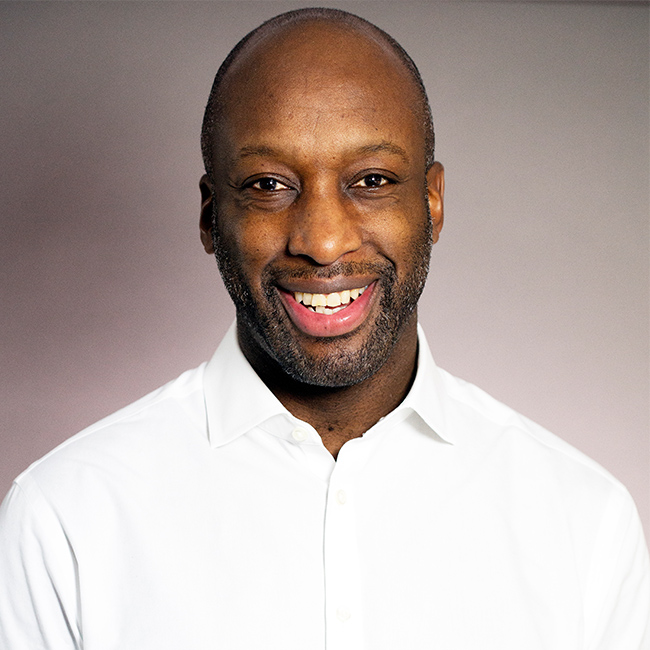
Consultant Respiratory Physician practising in London and Surrey, and Senior Physician in Respiratory Medicine at Kingston and Richmond NHS Foundation Trust.
He graduated from Cambridge and completed his doctorate at Columbia University, New York. He is a Fellow of the Royal College of Physicians and President of the Cambridge Medical Graduates’ Society.
MA MB BChir MD (Cantab) FRCP · GMC 4117379 · Book an appointment