
Can Lack of Sleep Cause Weight Gain? When to Consider a Sleep Assessment | Chest Doctor London
Yes, regularly getting too little sleep can contribute to weight gain. Sleep loss can influence appetite, eating patterns and activity levels, making weight management more difficult. However, it does not affect everyone in the same way, and weight gain alone does not diagnose a sleep disorder.
If weight gain accompanies loud snoring, witnessed breathing pauses or persistent daytime sleepiness, a sleep assessment may be appropriate. For people seeking advice in London, the first step is to establish whether the problem is insufficient sleep, insomnia or disrupted breathing during sleep.
How can lack of sleep affect your weight?
The link between sleep deprivation and weight gain involves several overlapping processes:
- Eating more: experimental studies have found that restricting sleep can increase calorie intake. Spending longer awake also creates more opportunities to eat.
- Changes in appetite regulation: sleep loss can affect the signals involved in hunger and fullness. The familiar explanation that ghrelin always rises and leptin always falls is too simplistic; hormone findings vary between studies.
- Changes in activity: tiredness can make activity harder to maintain. Some research has also found increased sedentary time after sleep restriction.
A 2026 analysis of two randomised crossover trials included 95 adults at increased risk of heart or metabolic disease who usually slept at least seven hours a night. During six weeks of restricted sleep, participants slept about 78 minutes less each night. Their body weight was, on average, 0.45 kg higher than during the adequate-sleep condition. They also spent more time sedentary. These were modest group averages, not a prediction of how much weight an individual will gain. Read the study in Annals of Internal Medicine.
Sleep should therefore be considered alongside food intake, activity, medicines and other health factors when reviewing weight changes.
Can better sleep help with weight loss?
Improving sleep may support weight management, particularly if you routinely cut your sleep short.
In a randomised trial involving 80 adults with overweight who usually slept less than 6.5 hours, a sleep-extension intervention increased sleep by about 1.2 hours a night. Over the two-week intervention, energy intake fell by approximately 270 calories a day relative to the control group. Read the JAMA Internal Medicine trial.
The study supports including sleep in weight-management discussions. It does not establish a guaranteed amount of long-term weight loss. It also excluded people with insomnia and sleep apnoea, so its findings should not be treated as evidence that simply spending longer in bed treats those conditions.
Is it insufficient sleep, insomnia or sleep apnoea?
These problems can overlap, but they require different approaches.
| Sleep problem | Typical pattern | What needs attention |
|---|---|---|
| Insufficient sleep | Your schedule regularly leaves too little time to sleep. | Whether work, commuting, caring responsibilities or habits are restricting sleep. |
| Insomnia | You struggle to fall asleep, stay asleep or return to sleep despite having the opportunity. | Persistent symptoms and their effect on daytime functioning. |
| Obstructive sleep apnoea | Your upper airway repeatedly narrows or closes during sleep, interrupting breathing. | Symptoms such as snoring, breathing pauses, gasping and unrefreshing sleep. |
Most adults need around seven to nine hours of sleep, although individual needs vary. Regularly spending eight hours in bed does not necessarily mean getting eight hours of restorative sleep. Persistent insomnia may need treatment such as cognitive behavioural therapy for insomnia, known as CBT-I. See NHS advice on insomnia and sleep needs.
When should you consider a sleep assessment?
Speak to your GP or a clinician who assesses sleep-related breathing problems if you have:
- Loud snoring alongside persistent tiredness or unrefreshing sleep.
- Breathing pauses noticed by someone else.
- Repeated gasping or choking during sleep.
- Daytime sleepiness that affects concentration, work or daily activities.
- Morning headaches or frequent waking alongside other sleep symptoms.
These are recognised features of sleep apnoea, although other conditions can cause some of them. The NHS advises seeking assessment for symptoms of sleep apnoea.
Excess weight increases the likelihood of obstructive sleep apnoea, but people at a healthy weight can also develop it. Assessment should be guided by the whole symptom pattern.
If the main problem is persistent difficulty sleeping, especially when it affects your ability to cope, arrange a GP review. Weight gain without sleep-related symptoms may need a broader assessment. Medicines and conditions such as an underactive thyroid can also contribute. Do not assume that poor sleep explains every change on the scales.
Do not drive when you feel sleepy.
What happens during a sleep assessment?
An assessment begins with your symptoms and sleep history. Useful information includes your usual bedtime and waking time, night-time awakenings, daytime sleepiness, medicines and any breathing changes noticed by a partner. A sleep diary can help describe the pattern.
A questionnaire may help assess sleepiness, but it cannot establish the diagnosis by itself. The clinician decides whether a sleep study or another investigation is appropriate.
For suspected obstructive sleep apnoea, NICE recommends home respiratory polygraphy, a test that records breathing-related measurements overnight. Some people need testing in a sleep service instead. If a respiratory polygraphy result is negative but symptoms continue, a more detailed study called polysomnography may be considered. See NICE guidance on sleep apnoea investigations.
A sleep study can identify sleep-related breathing problems. It cannot prove that sleep loss caused your weight gain, and it is not automatically necessary for everyone with insomnia or a change in weight.
What can you do to improve your sleep?
Start with changes that fit the problem:
- Protect enough time for sleep and keep your waking time consistent.
- Allow time to wind down, and keep the bedroom dark, quiet and comfortable.
- Review caffeine and alcohol, particularly later in the day.
- Stay physically active, adjusting exercise timing if late sessions disturb your sleep.
These steps are consistent with NHS advice on improving sleep. If insomnia persists or there are signs of sleep apnoea, seek assessment rather than relying on routine changes alone.
Sleep assessment in London
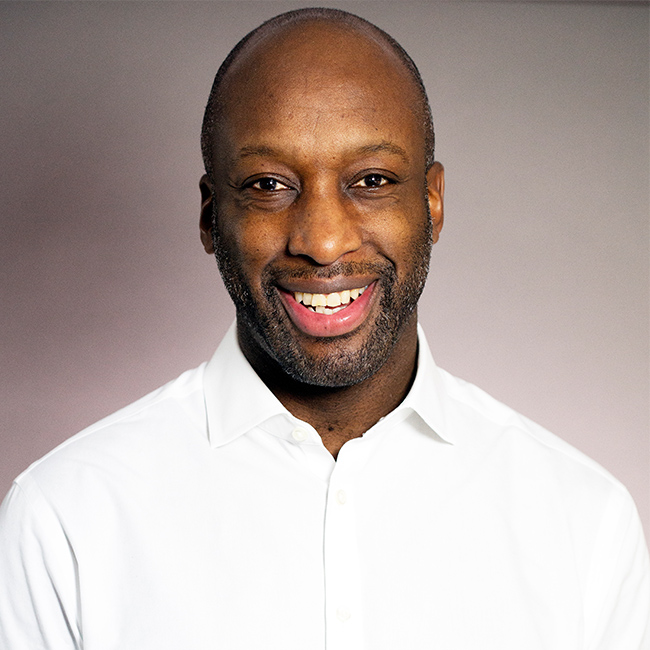
Chest Doctor London provides assessment for obstructive sleep apnoea and concerns about snoring and night-time breathing. Dr John Chinegwundoh is a consultant respiratory physician whose practice locations include Chelsea, Kingston upon Thames and Ashtead in Surrey.
Private respiratory care · London & Surrey
Book an appointment
Dr John Chinegwundoh
Consultant Respiratory Physician
Arrange a private consultation at a location that works for you.
Book an appointmentOr call Dr John’s PA on 020 8949 9012
Frequently asked questions
1. Does lack of sleep cause weight gain or weight loss?
Research more consistently links short sleep with weight gain, but individual responses vary. Sleep duration cannot explain every weight change. Unintentional weight loss should be discussed with your GP rather than attributed to poor sleep.
2. Can lack of sleep affect weight loss?
Yes. Changes in appetite, eating patterns and energy levels can make weight-management routines harder to maintain. Improving sleep may help, but it does not make weight loss automatic or replace an appropriate eating and activity plan.
3. Is six hours of sleep enough?
For most adults, six hours is below the usual seven-to-nine-hour range. Consider how you function during the day as well as the number of hours. Persistent sleepiness deserves attention even when you think you sleep enough.
4. Will sleeping more help me lose weight?
It may help if you are regularly sleep deprived, but there is no fixed amount of extra sleep that guarantees weight loss. If you already allow sufficient sleep time but remain unrefreshed, investigate the reason.
5. Can you have sleep apnoea without being overweight?
Yes. Weight is one risk factor. Airway anatomy, enlarged tonsils, age and family history also matter. A healthy weight should not prevent investigation of suggestive symptoms.
6. Does treating sleep apnoea make you lose weight?
Not necessarily. CPAP treats airway obstruction and can improve sleep-related symptoms, but it is not a weight-loss treatment. Research has not shown that starting CPAP reliably produces weight loss. Read the randomised CPAP study.
7. Why am I tired after eight hours of sleep?
Time in bed and sleep quality are different. Interrupted breathing, insomnia, medicines or other health problems may leave you tired. Persistent symptoms, particularly with snoring or witnessed breathing pauses, warrant a clinical review.
8. Can a sleep study be done at home?
Yes. Many investigations for suspected obstructive sleep apnoea can be performed at home using equipment supplied by a sleep service. The clinician selects the test, and some people need a more detailed assessment in a clinic.
Consultant Respiratory Physician practising in London and Surrey, and Senior Physician in Respiratory Medicine at Kingston and Richmond NHS Foundation Trust.
He graduated from Cambridge and completed his doctorate at Columbia University, New York. He is a Fellow of the Royal College of Physicians and President of the Cambridge Medical Graduates’ Society.
MA MB BChir MD (Cantab) FRCP · GMC 4117379 · Book an appointment