
Poor sleep, tiredness and breathlessness: are they linked?
Yes, poor sleep, tiredness and breathlessness can be linked. Sleep apnoea can interrupt breathing overnight and cause daytime tiredness. Lung conditions can disturb sleep, while anaemia or heart problems may cause fatigue and shortness of breath. These symptoms need assessment rather than an assumption that you simply need more sleep.
For patients seeking a respiratory opinion in London or Surrey, Chest Doctor London provides consultations with Dr John Chinegwundoh, Consultant Respiratory Physician. His practice covers breathlessness and assessment for obstructive sleep apnoea.
When breathlessness needs urgent help
Call 999 if you have severe difficulty breathing, cannot speak properly because you are breathless, have a tight or heavy chest, become suddenly confused, or notice your lips or skin turning very pale, blue or grey. Do not drive yourself to A&E.
Also call 999 if you cough up more than a few small spots or streaks of blood, or if coughing up blood is accompanied by difficulty breathing, a very fast heartbeat, or chest or upper back pain. Even a few small blood streaks need an urgent GP appointment or NHS 111 advice.
Contact NHS 111 if you are more breathless than usual, or have breathlessness with palpitations or pain or swelling in one leg.
Arrange a GP appointment if breathlessness worsens during everyday activity or when lying down. If symptoms are new or worsening, seek more urgent advice. Do not wait for a private appointment if symptoms need urgent attention.
How poor sleep and breathing problems overlap
Breathing symptoms can wake you repeatedly, reducing the quality of your sleep. You may then feel exhausted despite spending enough hours in bed.
Three descriptions help your doctor understand the problem:
- Sleepiness: feeling likely to doze off during the day.
- Fatigue: having little energy or feeling exhausted.
- Breathlessness: finding breathing uncomfortable or feeling short of air.
You can experience more than one. Explain whether the problem is staying awake, completing activities, getting enough air, or a combination.
Can lack of sleep cause shortness of breath?
Poor sleep does not, by itself, explain persistent shortness of breath. Research has found an association between chronic breathlessness and sleep problems, but this does not prove that lack of sleep causes breathlessness.
If the symptoms keep happening together, a clinician needs to consider whether a sleep disorder, lung condition or another health problem is contributing. New or worsening breathlessness should be assessed.
Conditions that can cause tiredness and breathlessness
Obstructive sleep apnoea
Obstructive sleep apnoea (OSA) happens when the upper airway repeatedly narrows or closes during sleep. Breathing pauses can disrupt sleep, leaving you unrefreshed the next morning.
Clues include loud snoring, waking up gasping or choking, breathing pauses noticed by a partner, morning headaches and daytime sleepiness. Snoring alone does not establish the diagnosis. A sleep assessment can help identify the cause.
OSA can explain night-time breathing disturbances and tiredness. It should not automatically be assumed to explain breathlessness when walking or climbing stairs.
Asthma and COPD
Asthma can cause coughing, wheezing and breathlessness at night. If symptoms wake you, arrange a review of your asthma control and treatment.
Chronic obstructive pulmonary disease (COPD) can cause persistent breathlessness, cough and tiredness. Breathing symptoms may also disrupt sleep. Assessment can help determine whether symptoms relate to COPD, an additional sleep disorder, or another cause.
Anaemia and heart conditions
Iron deficiency anaemia can cause tiredness and shortness of breath because the blood has less capacity to carry oxygen. A blood test can help identify it; treatment should address both the deficiency and its cause.
Heart failure can cause breathlessness, fatigue and swollen ankles. Breathlessness when lying flat is a reason to seek prompt medical advice. These symptoms have several possible causes and do not diagnose heart failure on their own.
Long Covid
Poor sleep, fatigue and breathlessness can occur together after COVID-19. A UK study in previously hospitalised patients found an association between sleep disturbance and breathlessness. It did not establish that poor sleep was the cause in every patient.
If symptoms persist, a Long Covid assessment should also consider other explanations for breathlessness and fatigue.
What waking up breathless can mean
Waking up gasping and becoming breathless when lying down are different patterns. Gasping with snoring or witnessed breathing pauses may suggest sleep apnoea. Waking after a period of sleep feeling unable to breathe can have several causes, including heart or lung conditions.
Tell your doctor when it happens, whether sitting up helps, and whether you have cough, wheeze, chest discomfort or ankle swelling. The pattern helps guide assessment but cannot confirm a diagnosis.
How the symptoms are investigated
Your doctor will ask about symptom timing, snoring, daytime sleepiness, medicines, smoking history and existing conditions. Bring a medication list and any previous blood test, scan or lung function results. A partner’s account of breathing pauses can be useful.
Tests depend on the findings. They may include blood tests for anaemia, lung function testing, a chest X-ray or heart investigations. Not everyone needs every test.
For suspected OSA in adults, NICE recommends home respiratory polygraphy, a test that records breathing during sleep. Further testing may be needed if results do not explain continuing symptoms. Sleepiness questionnaires support assessment but cannot diagnose or exclude OSA by themselves.
Ask the practice which investigations are appropriate and where they can be arranged.
What to note before your appointment
Keep a record of your sleep and breathing symptoms while you arrange assessment. Include your usual bedtime, waking time, night-time awakenings and occasions when you unintentionally fall asleep during the day. Note whether breathlessness starts at rest, during exercise or when you lie down.
Describe changes in practical terms: needing to stop halfway up stairs, waking with a cough, or struggling to stay awake during meetings. Record when the symptoms began and whether they followed an infection or a change in medication. Bring your inhalers so your clinician can review their use.
If someone has noticed snoring or breathing pauses, ask them to describe what happens. You do not need a recording or a wearable device to seek help. Do not delay urgent care to collect a symptom diary.
Can treatment improve sleep and energy?
Treatment depends on the cause. For OSA, continuous positive airway pressure (CPAP) helps keep the airway open during sleep and can improve sleep quality and daytime tiredness. Other treatments may be suitable after assessment.
For asthma or COPD, reviewing treatment may help control symptoms that interrupt sleep. Regular sleep times and reducing alcohol before bed may help, but sleep habits do not replace investigation of unexplained breathlessness.
Do not start sleeping tablets without medical advice if sleep apnoea is suspected; they can worsen the condition.
Agree how and when treatment will be reviewed. At follow-up, explain whether you are waking less often, feeling more alert or managing everyday activities more comfortably. Tell your clinician about continuing symptoms, side effects or difficulty using prescribed equipment.
Private respiratory care · London & Surrey
Book an appointment
Dr John Chinegwundoh
Consultant Respiratory Physician
Arrange a private consultation at a location that works for you.
Book an appointmentOr call Dr John’s PA on 020 8949 9012
Frequently asked questions
Why am I still tired after eight hours of sleep?
Time in bed does not tell you how well you slept. Repeated breathing interruptions can leave you tired even when you do not remember waking. Sleep apnoea is one possibility, especially with snoring or gasping, but persistent tiredness also has other causes. Ask your GP for an assessment if it affects daily life.
Can anxiety cause breathlessness at night?
Yes. Anxiety and panic attacks can cause shortness of breath, a racing heart and a choking sensation. However, these symptoms overlap with physical illnesses. New or unexplained night-time breathlessness should not be labelled anxiety without assessment. Tell your clinician about both the breathing symptoms and any fear or panic that accompanies them.
What deficiency can cause tiredness and shortness of breath?
Iron deficiency anaemia can cause both symptoms because there is insufficient haemoglobin to carry oxygen effectively. However, symptoms alone cannot identify a deficiency. Blood tests help establish whether anaemia is present, and your doctor may need to investigate why it developed. Do not assume that taking iron will treat unexplained breathlessness.
Can I have sleep apnoea without feeling sleepy during the day?
Yes. Not everyone with obstructive sleep apnoea reports excessive daytime sleepiness. Other clues include witnessed breathing pauses, choking during sleep, unrefreshing sleep and morning headaches. NICE advises against using the Epworth Sleepiness Scale alone to decide whether referral is needed. A low sleepiness score does not rule out a breathing disorder during sleep.
Can sleep apnoea be tested at home?
Often, yes. Home respiratory polygraphy records breathing overnight and is recommended by NICE for adults with suspected obstructive sleep apnoea. The clinic will send you the equipment and explain how to use it. The results will be analysed and then discussed with you at a follow-up appointment. Some people need further testing, including a more detailed sleep study, depending on their symptoms and the initial findings.
What if my sleep test is normal but I still have symptoms?
Discuss persistent symptoms with the clinician who arranged the test. A negative result may need further investigation if the symptoms still suggest sleep apnoea. NICE recommends considering polysomnography when respiratory polygraphy is negative but symptoms continue. Your clinician should also consider other causes of poor sleep, fatigue or breathlessness rather than relying on one result.
Can a smartwatch diagnose sleep apnoea?
A watch or sleep app may flag patterns worth discussing, but it cannot replace a clinical assessment and appropriate diagnostic testing. Bring summaries to your appointment if you have them. Reassuring readings should not stop you seeking help for witnessed breathing pauses, repeated gasping or persistent daytime symptoms. The practice can advise whether a sleep study is appropriate.
Can I book a private respiratory consultation in London or Surrey?
Yes. Chest Doctor London lists private clinics in Chelsea, Kingston upon Thames and Ashtead. Contact the practice to discuss symptoms, location and availability. If you plan to use private medical insurance, obtain prior authorisation and check whether your policy requires a referral. Ask what consultation and investigation costs are included before booking, and whether any additional charges apply. Some medical conditions are excluded from insurance plans.
This information supports, but does not replace, an individual clinical assessment.
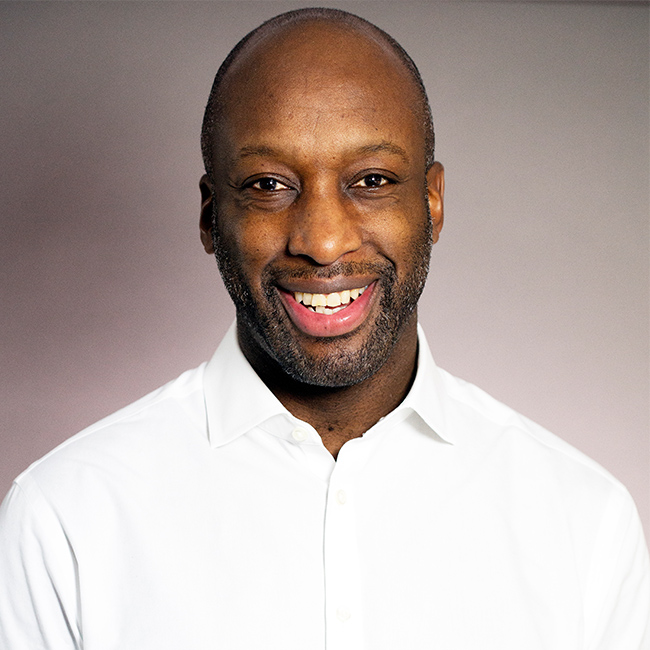
Consultant Respiratory Physician practising in London and Surrey, and Senior Physician in Respiratory Medicine at Kingston and Richmond NHS Foundation Trust.
He graduated from Cambridge and completed his doctorate at Columbia University, New York. He is a Fellow of the Royal College of Physicians and President of the Cambridge Medical Graduates’ Society.
MA MB BChir MD (Cantab) FRCP · GMC 4117379 · Book an appointment